
Micro-habits: be kind to yourself and succeed
Have you ever set a goal that ultimately caused you stress and guilt? You are far from alone. Many people set the bar too high, which makes the necessary habits difficult to stick to. The result is often that we give up and feel like failures.
An important insight is that big changes rarely last over time. The brain is better at absorbing small, gradual adjustments than drastic changes. It's less about setting perfect goals and more about building habits that actually work in everyday life.
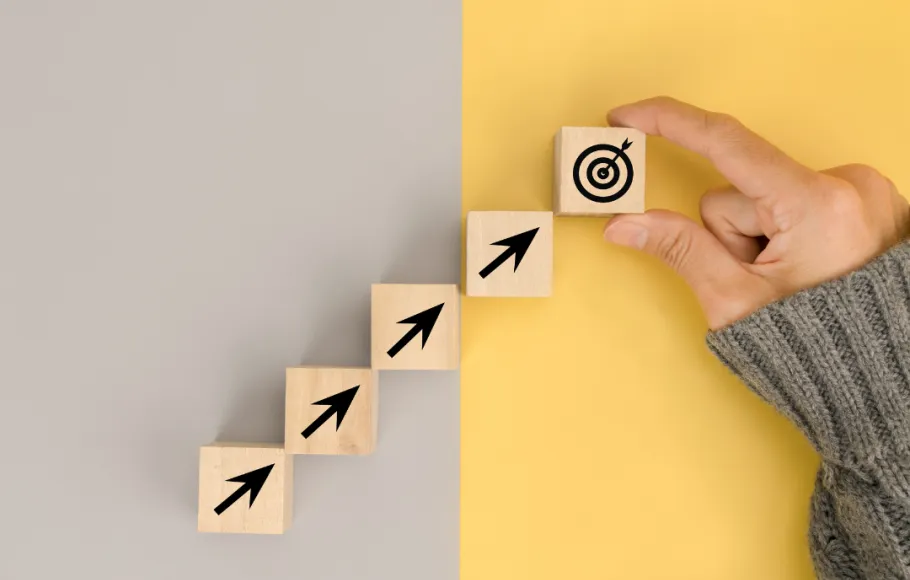
Small steps that last over time
Micro habits are based on a more sustainable and realistic approach to change. The basic idea is that the habit should be so simple that it is almost impossible to fail. Research shows that it is often the small, consistent steps that make the biggest difference in the long run.
It is rarely a hard week of training or a strict plan that makes the biggest difference, but rather things that blend into everyday life. This could be getting up five minutes earlier to wind down, or taking a short break without a screen. It may seem insignificant, but over time the effect on energy, focus and recovery becomes clear.
The power of habit
When we try to create new habits, we often expect quick and clear results. In practice, change rarely works that way. In the beginning, there is often no noticeable difference at all. You may be doing the ‘right’ things, but still not feel more energetic or motivated.
It is often at this point that many people give up. But change is not linear. It often feels more difficult before it starts to have an effect. This does not mean that the habit is wrong, just that it needs time.
A habit is also built through repetition, not perfection. If you miss a day, it's not a failure. The important thing is to continue the next day. When new routines are seen as long-term investments rather than short-term projects, the chances of them actually becoming part of everyday life increase.
How do I get started?
The simple, but not always easy, answer is to just start. Choose an area you want to adjust and start with a small, concrete habit that takes you in the right direction. When you succeed at something small, your brain's reward system is activated, making it easier to continue. If you stick with the habit over time, you'll notice that you're in a completely different place than where you started.
Here are six ways to create sustainable habits:
1. Find your motivation
A habit needs to be personally meaningful. Do you want to exercise more, sleep better or reduce stress? Think about why. When the driving force is clear, it's easier to stick with it, even when your studies take up a lot of energy.
2. Start small and be realistic
Focus on one change at a time. If you want to exercise more, a short daily walk can be enough to get you started. Small steps build momentum.
3. Don't wait for the right moment
The perfect moment rarely comes. Decide on something you can do right now and do it. The hardest part is often getting started, not the habit itself.
4. Make it as easy as possible
When energy levels drop, so does motivation. Preparation lowers the threshold. Lay out your workout clothes, put your shoes by the door or plan your meals in advance.
5. Link the habit to something you already do
New habits are easier to stick to if they are linked to existing routines. Stretch while the coffee is brewing or drink a glass of water before turning on your computer. Small connections can make a big difference.
6. Recognize progress
Change takes time. Noticing small victories – such as an extra walk, an earlier bedtime or a better lunch choice – strengthens motivation and makes the process more sustainable.
Listen to your body
Challenges are part of development, but they should not come at the expense of well-being. New habits should help you feel better, not create more stress. If you feel overwhelmed, it may be a sign that you need to adjust your ambitions.